
Building an online store has become easier these days, when you start searching for the right platform to host your website, you’ll quickly realize there are countless options to choose from. Maybe that’s why by the end of June 2024, there were about 30.7 million ecommerce websites worldwide. This is 25% more than in 2022 and 11% more than in 2023.
On top of that, you need a platform that helps your store show up on Google so people can find you easily. This is where SEO, or Search Engine Optimization, becomes super important.
The good news?
Choosing the best e-commerce platform can make SEO a lot simpler and help you attract more visitors to your store. In this post, we’ll introduce you to some of the best e-commerce platforms for SEO and explain why they can make a difference for your online business. Let’s get started.E-commercee Platforms for SEO
Picking the right e-commerce platform is a big step for your business. It doesn’t just affect how your website looks or works, it also plays a huge role in how well your site shows up on search engines like Google.
When it comes to SEO, there are a few key things to consider when making the best choice.
SEO features
Good e-commerce platforms have built-in tools to help you improve your site’s visibility. These tools let you do things like customize title tags, meta descriptions, and URLs so they include the keywords people are searching for. Some platforms, like Shopify, even help by preventing duplicate content, which can hurt your rankings.
Schema markup
Schema markup is a special type of code that helps search engines understand your website content better. It can make your product listings stand out in search results by showing extra details like prices, reviews, and availability. Many top e-commerce platforms, such as WooCommerce and Shopify, offer built-in support for schema markup or allow you to add it easily. Using schema markup improves your chances of getting rich snippets in search results, which can increase clicks and attract more customers.
Mobile optimization
Since most people shop using their phones, your website needs to work well on mobile devices. Google also ranks mobile-friendly websites higher, so this is a must for good SEO. Platforms like Wix and BigCommerce are great examples of mobile-friendly options that can make your site look and work perfectly on phones and tablets.
Speed
Nobody likes a slow website. If your site takes too long to load, people might leave before they even see your products. Google also prefers fast-loading websites, so speed directly impacts your SEO. Platforms like BigCommerce are known for features that improve site speed, making sure your visitors stay happy and engaged.
Customizability
Your website should be easy to tweak so you can make changes to improve its performance. Platforms like Magento stand out because they allow you to customize almost everything, giving you full control over how your site looks and works for SEO.
When choosing an e-commerce platform, look for one that offers strong SEO features works well on mobile, loads quickly, and allows you to customize it to fit your needs.
These factors will help you attract more visitors and create a better shopping experience for your customers.
Best ecommerce Platforms for SEO
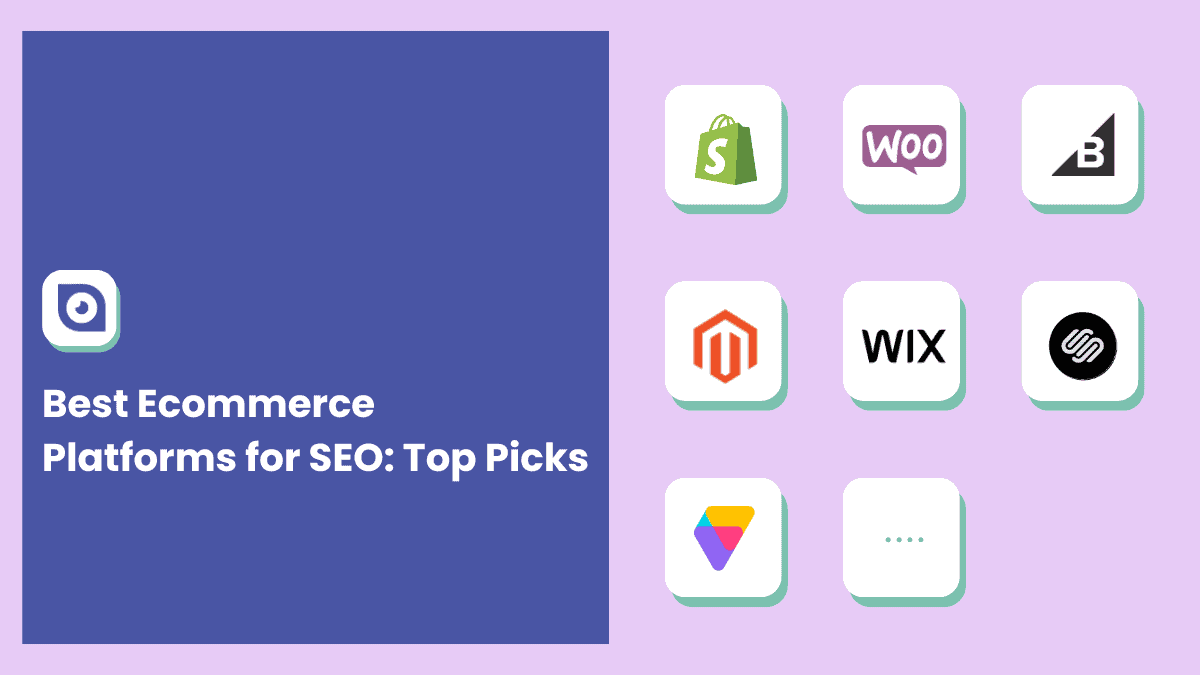
Here’s a list of some of the best ecommerce platforms for SEO you should know about:
1. Shopify
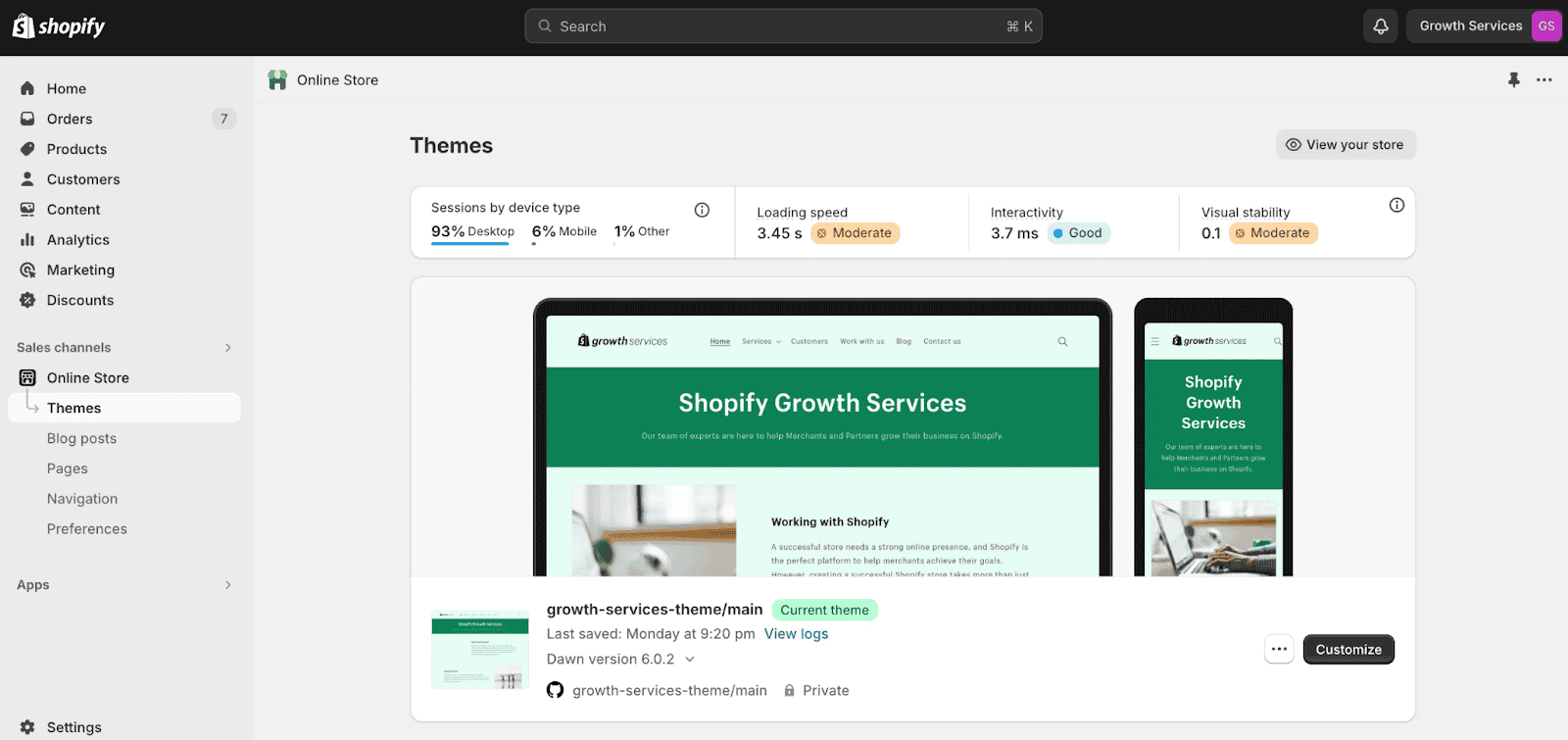
Shopify started in 2006 in Ottawa, Canada, and has grown into a major global company. It now powers about 10% of all e-commerce websites worldwide.
Shopify is one of the most popular e-commerce platforms, especially for beginners setting up their first online store. It’s user-friendly and packed with features that make it easy to build and manage your website. Let’s take a look at why Shopify is a great choice for SEO.
Pros of Shopify
- Easy to use: Shopify is simple to set up and doesn’t require any coding knowledge. You can pick a template, add your products, and launch your store in no time.
- SEO tools and apps: Shopify has built-in SEO features, like customizable meta tags and fast-loading pages, to help improve your search rankings. The Shopify App Store offers extra SEO tools to make optimizing your site even easier.
- Blogging features: Shopify has a built-in blogging platform, which is great for creating content to attract more visitors. Blogging is a key part of SEO, and Shopify makes it simple to write and publish posts.
- Google Analytics integration: Shopify works seamlessly with Google Analytics, letting you track your website traffic and see how visitors interact with your store. This data is super helpful for improving your SEO strategy.
- Mobile-optimized themes: All Shopify themes are designed to look great on mobile devices, which is important because so many people shop on their phones.
Cons of Shopify
While Shopify is excellent for SEO, it has a couple of drawbacks to keep in mind:
- Limited URL customization: Shopify’s URL structure is fixed, so you can’t fully customize your URLs. Custom URLs can sometimes help with SEO and make your pages easier for users to remember.
- You don’t have control over robots.txt files: Shopify doesn’t allow you to edit your robots.txt file, which tells search engines which pages to crawl. This can make it harder to control how search engines interact with your site.
Why choose Shopify?
Shopify is perfect for business owners who want a simple, all-in-one platform to build and optimize their online store. Its SEO tools, blogging features, and user-friendly design make it a solid choice for beginners and experienced sellers alike.
2. WooCommerce
WooCommerce is used by 20.1% of e-commerce websites, which means over 3.5 million online stores run on it. WooCommerce is a powerful e-commerce platform that works as a plugin for WordPress. If you’re already familiar with WordPress or want a highly customizable platform for your online store, WooCommerce is a great choice. Here’s why it’s a popular option for SEO.
Pros of WooCommerce
- WordPress integration: WooCommerce works perfectly with WordPress, giving you access to all the powerful SEO features that WordPress offers.
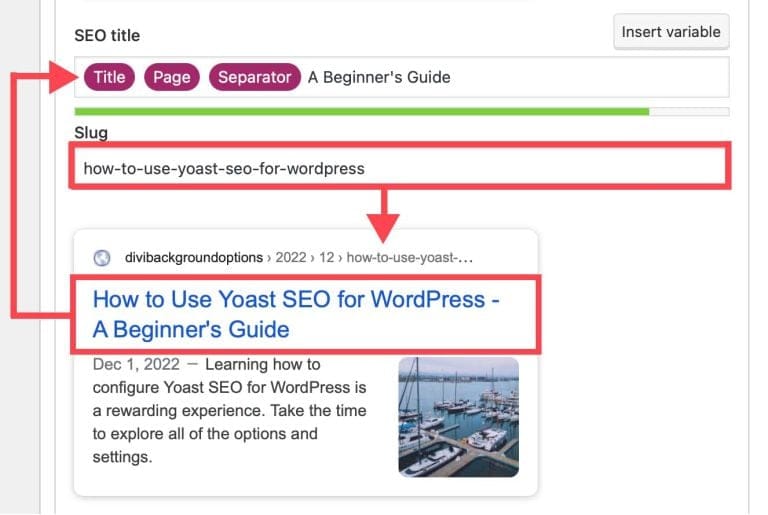
- SEO plugins: You can use popular plugins like Yoast SEO to manage important SEO tasks, like setting meta tags, creating XML sitemaps, and optimizing your content. These tools make it easier for your store to rank on search engines.
- Custom URLs: WooCommerce allows you to create clean and customizable URLs. This means you can include keywords in your URLs, which helps search engines understand your pages and improves your rankings.
- Highly customizable: With WooCommerce, you have the freedom to customize your website as much as you want. You can add plugins to enhance your store’s functionality and make it fit your business needs.
- Mobile-friendly and blogging: WooCommerce supports mobile-friendly designs and has built-in blogging features, making it easy to reach a wider audience and improve your SEO.
Cons of WooCommerce
While WooCommerce is a powerful platform, it does come with some challenges:
- Learning curve: If you’re not familiar with WordPress, it might take some time to learn how to use WooCommerce and its plugins.
- Plugins for features: You’ll need to download individual plugins to add specific features to your site. This can take time, and you’ll need to make sure all the plugins work well together.
Why choose WooCommerce?
WooCommerce is a fantastic choice if you want full control over your website and its SEO. With WordPress as its foundation and a wide range of plugins available, it’s perfect for those who want to build a customized online store that’s optimized for search engines.
3. Bigcommerce
BigCommerce is used by about 1% of online stores worldwide. It is a fantastic platform for businesses that want to improve their SEO while running a professional online store. It’s easy to use and comes with many tools to help your store perform well on search engines. Let’s explore why BigCommerce is a great choice.
Pros of BigCommerce
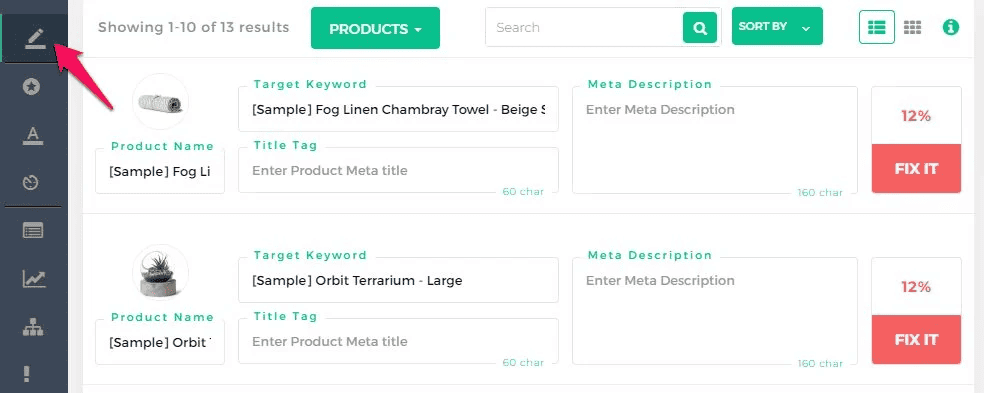
- SEO-friendly features: BigCommerce offers several built-in SEO tools, such as customizable URLs, meta titles, and descriptions. These tools help your store rank higher on search engines.
- Mobile-friendly design: Since many people shop on their phones, having a mobile-friendly website is important. BigCommerce makes this easy, which is great for SEO and user experience.
- Automatic sitemaps: BigCommerce automatically generates sitemaps, helping search engines understand and index your website. This improves your chances of ranking better in search results.
- Custom fields: You can add extra details to your product pages using custom fields, which search engines love. This makes it easier for your products to get noticed.
- Flexible and user-friendly: BigCommerce doesn’t require coding knowledge, so it’s great for beginners. You can build a professional store without much technical experience.
- Customer-friendly options: BigCommerce supports over 40 payment methods, making it easy for customers to shop with you.
Cons of BigCommerce
Even though BigCommerce has many benefits, there are a few things to keep in mind:
- Slow page loading: Some users find that BigCommerce pages load slower than expected. Slow pages can hurt your SEO and make customers leave your site, so this is something to consider.
- Higher costs: BigCommerce can get expensive for growing businesses. For example, their Pro plan has a sales limit of $400,000 per year. If you make more, you’ll need to pay extra fees or upgrade to a costly Enterprise plan. BigCommerce plans cost between $29 and $299 per month, with custom pricing for bigger businesses.
Why Choose BigCommerce?
BigCommerce is a solid choice for businesses looking for a simple yet powerful platform with strong SEO features. If you want to grow your store and reach more customers online, BigCommerce can help make that happen.
4. Adobe Commerce (Magento)
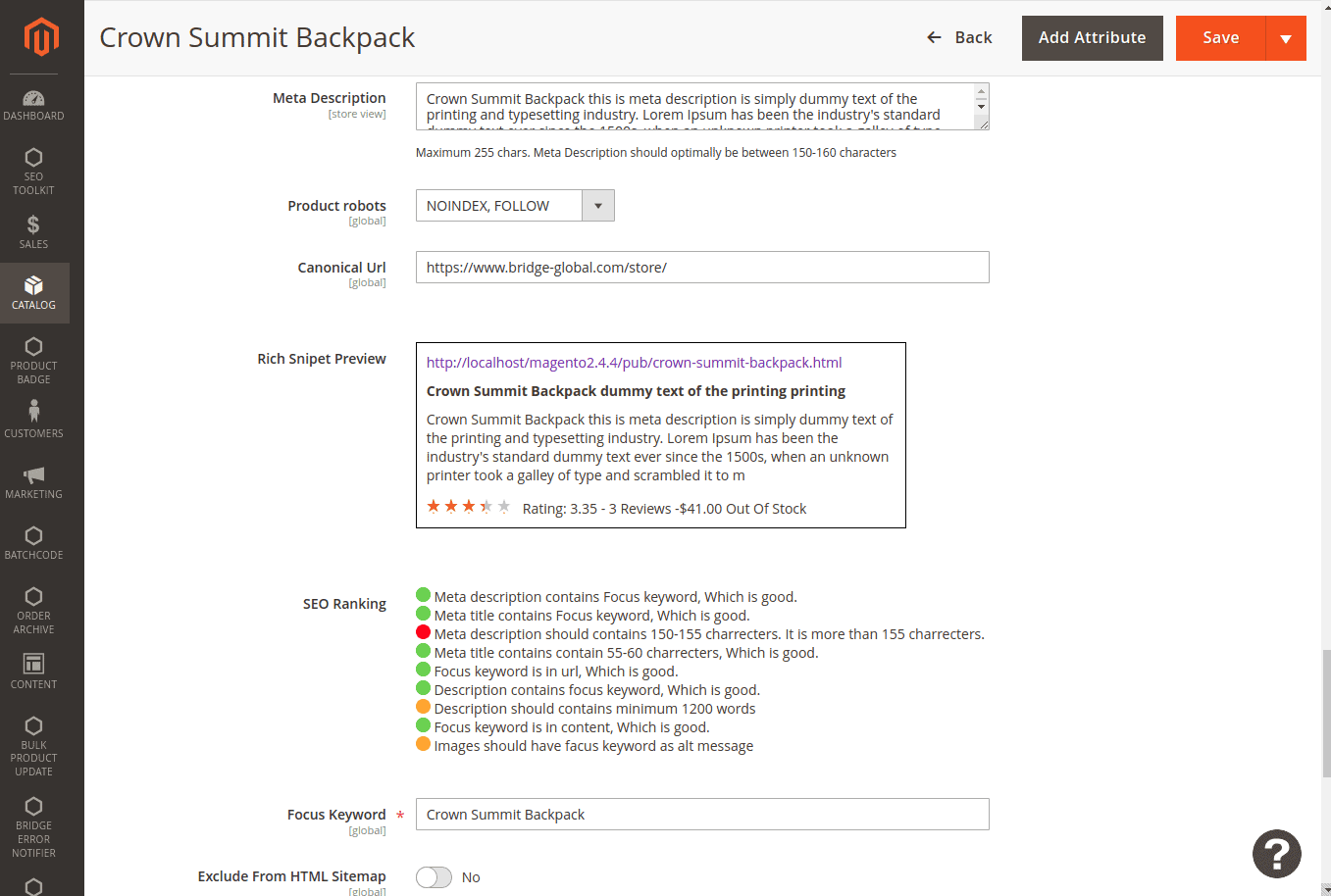
Image Source
Adobe Commerce (Magento) holds between 2.25% and 2.34% of the global e-commerce market and is more commonly used by high-traffic websites. Adobe Commerce is a powerful platform for e-commerce businesses that need a lot of customization and strong SEO features. If you’re looking for a platform that lets you control every detail of your online store, Adobe Commerce is worth considering.
Pros of Adobe Commerce
- Highly customizable: Adobe Commerce is an open-source platform, which means you can tweak almost everything to suit your needs. For example, if you want a unique checkout process or a complex menu, Magento gives you the tools to create it.
- SEO-friendly: Adobe Commerce allows you to optimize your store for search engines with features like clean URLs, meta tags, and detailed sitemaps. These features help your site rank higher in search results, making it easier for customers to find your products.
- Advanced SEO settings: For those with technical knowledge, Adobe Commerce offers advanced controls. You can manage redirects, fine-tune URLs, and adjust site structure to improve SEO performance.
- Large developer community: Adobe Commerce has a big community of developers who create themes, extensions, and SEO tools. If you need help or advice, there are plenty of resources available online.
Cons of Adobe Commerce
Even though Adobe Commerce is powerful, there are some challenges to consider:
- Requires coding skills: Adobe Commerce isn’t beginner-friendly. If you don’t know how to code, you might struggle to customize your site or make the most of its features. Hiring a Magento development company could be necessary, which adds to the cost.
- Expensive: Adobe Commerce can be costly compared to other platforms. You have to contact them to know the pricing.
Why Choose Adobe Commerce?
Adobe Commerce is ideal for businesses that need a fully customized online store and have the technical expertise (or budget) to manage it. Its strong SEO tools and flexibility make it a great choice for businesses aiming to stand out in search engine results
5. Wix
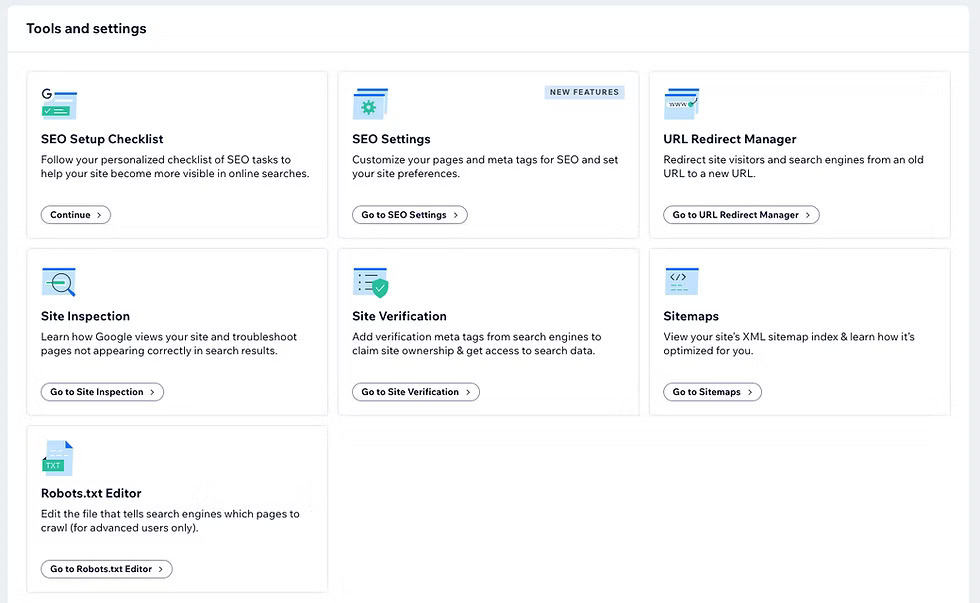
As of January 28, 2025, Wix held a 4.8% share of the global content management system (CMS) market. It’s a website builder that’s especially popular with beginners.
Wix is a popular platform for creating websites, and it also offers features to build an online store. It’s perfect for beginners and small businesses because you don’t need to know any coding to use it. With Wix, you can create a professional-looking e-commerce store and improve your SEO to show up better in search results.
Pros of Wix
- Easy to use: Wix has a drag-and-drop editor that makes it super simple to design your website. You can start with one of their templates and customize it to match your brand.
- SEO tools: Wix provides built-in SEO tools to help your store rank higher on search engines. It even has an SEO Wiz, a step-by-step guide that creates a personalized plan for optimizing your site.
- Mobile-friendly: Since many people shop on their phones, Wix automatically optimizes your website for mobile devices, which is great for SEO.
- Regular updates: You can quickly add new products or update your content without any hassle. This keeps your site fresh, which is important for search rankings.
- Affordable: Wix is budget-friendly, making it a great choice for small businesses that are just starting out.
- Marketing tools: Wix helps you promote your products with built-in tools for email campaigns and social media posts.
- Apps and integrations: You can add more features to your store by using apps from the Wix App Market.
- Security: Wix includes SSL certificates for free, which helps protect your customers and boosts your SEO.
Cons of Wix
- Lack of Advanced Features: While Wix is easy to use, it may not have all the advanced features that larger businesses need.
- Slow Speed: If your store has a lot of products, Wix might feel a little slow or limited. Also, as your business grows, you might need a more advanced platform.
Is Wix right for you?
If you’re a small business owner or just starting your online store, Wix is a fantastic option. It’s simple, affordable, and offers great SEO tools to help you get noticed online
6. Squarespace
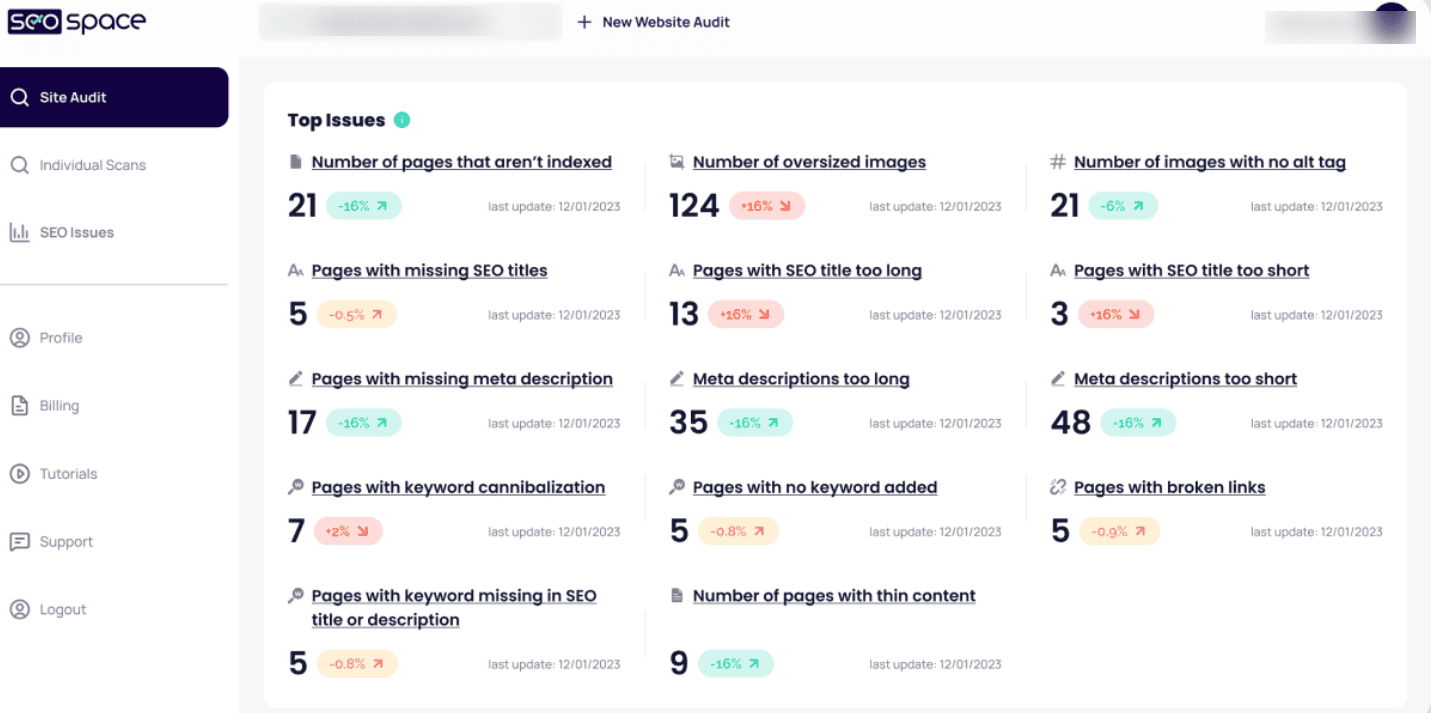
Squarespace has about a 3% share of the publicly available CMS market. Squarespace is a popular choice for building and hosting websites, and it also offers great features for creating online stores. Known for its beautiful designs and easy-to-use interface, Squarespace is perfect for small to medium-sized businesses. You don’t need coding skills to create a professional-looking store with this platform.
Pros of Squarespace
- Sleek templates: Squarespace has over 100 stylish templates you can use to create a unique store that reflects your brand.
- SEO tools: It comes with built-in tools to help your site rank better on search engines. You can easily edit meta titles and descriptions for your pages and products, which is great for improving visibility.
- Mobile-responsive designs: Squarespace automatically makes your site look great on phones and tablets, which is important since most people shop on mobile devices.
- Blogging features: Blogging is helpful for SEO, and Squarespace makes it easy to start a blog on your site to share updates, stories, or tips.
- Secure and fast: Squarespace provides free SSL certificates, which keep your site secure and boost trust with search engines and customers.
Cons of Squarespace
While Squarespace is great for simple and stylish online stores, it does have some limitations:
- Fewer advanced features: Squarespace doesn’t offer as many e-commerce tools as platforms like Shopify or BigCommerce.
- Limited for large stores: If you sell a lot of products, organizing them can be challenging because Squarespace doesn’t support deep navigation hierarchies.
- Not ideal for multilingual sites: Squarespace doesn’t have built-in options to create your store in multiple languages for international shoppers.
Is Squarespace right for you?
Squarespace is a great option if you value design and want a simple way to set up your store. It’s especially good for creative professionals and small businesses with fewer products. If you’re looking for a platform that balances looks and basic SEO features, Squarespace could be the right fit for you.
7. Volusion
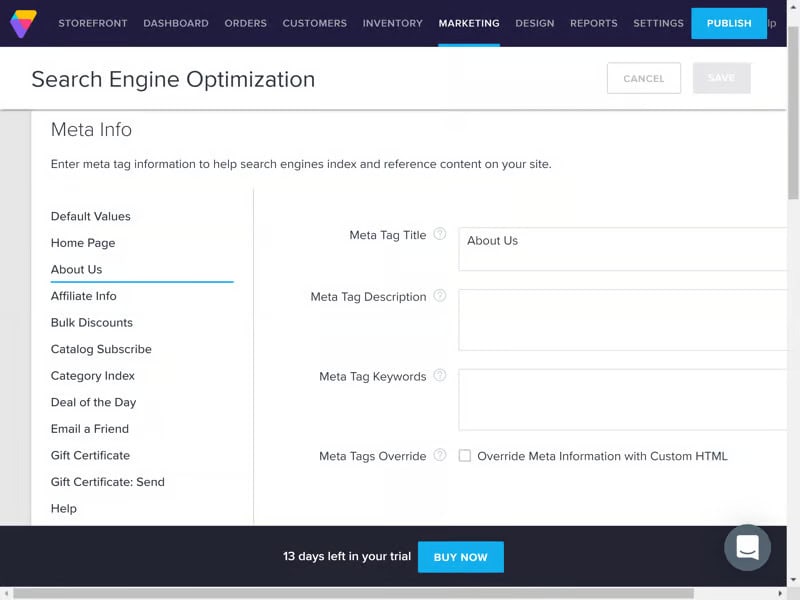
Volusion’s market share is estimated to be about 0.11%. Volusion is a user-friendly e-commerce platform that helps businesses create and manage online stores. It’s designed for small to medium-sized businesses and offers tools to improve SEO, making it easier for your store to rank in search results.
Pros of Volusion
- SEO-ready features: Volusion provides tools like customizable meta tags, clean URLs, and 301 redirects. These features help search engines understand your site better, improving its visibility.
- Built-in analytics: You can track how your store is doing with Volusion’s analytics. It shows important data like sales, website traffic, and customer behavior, helping you make smarter decisions.
- Simple setup: Volusion is easy to use, even for beginners. Its drag-and-drop design tools and pre-made templates allow you to build a professional-looking store without coding skills.
- Mobile-responsive designs: All Volusion themes are mobile-friendly, ensuring your store looks great on any device, which is crucial for SEO.
- Helpful tutorials: If you’re new to setting up an online store, Volusion provides tutorials to guide you through the process step by step.
Cons of Volusion
While Volusion has many great features, there are some limitations:
- No built-In blogging: Blogging is a key part of SEO, but Volusion doesn’t include a blogging feature. If you want a blog, you’ll need to find another way to add it.
- Site speed: Some users report that sites built with Volusion can be slow to load. This could affect your SEO and discourage customers from shopping.
- Limited features: Compared to some other platforms, Volusion doesn’t have as many advanced tools or app integrations. You may need to rely on third-party apps for additional features.
Is Volusion Right for You?
Volusion is a great choice if you’re looking for a simple and user-friendly platform to start selling online. It’s perfect for small to medium-sized businesses that want basic SEO tools and a quick setup. However, if you need advanced features or plan to blog regularly, you might need to look at other platforms.
Conclusion
Choosing the best e-commerce platform for SEO is an important step to building a successful online store. Each platform we’ve discussed has its own features that can help your business grow, like improving your search rankings, attracting visitors, and boosting sales.
Take some time to think about what your business needs. You may like the customization of Magento or the blog-friendly design of WooCommerce. Make a list of the features that matter most to you, like mobile-friendly designs or easy SEO tools.
FAQs
Which ecommerce platform is best for SEO?
Shopify, WooCommerce, and Magento are among the best e-commerce platforms for SEO due to their flexibility, customization options, and built-in SEO features.
What is SEO for ecommerce?
SEO for e-commerce is the process of optimizing an online store to rank higher in search engines, improve visibility, and attract more organic traffic.
What is SEO in ecommerce?
SEO in e-commerce means optimizing your online store to rank higher on search engines so more people can find your products. It includes using the right keywords, writing clear product descriptions, making pages load fast, and ensuring mobile-friendliness. Features like structured data and blogging also help boost visibility.
How can I improve my ecommerce site’s SEO?
Improve your e-commerce SEO by using clear product descriptions with relevant keywords, adding high-quality images with proper tags, and making your site fast and mobile-friendly. A blog with useful content and getting backlinks from trusted sites can also help.
Is SEO worth it for ecommerce?
Yes! SEO helps customers find your products without paying for ads, bringing more traffic and potential sales. It’s a long-term, cost-effective strategy that keeps working over time.