
In this highly competitive digital era, success requires studies, inspiration, and research. When it comes to running display ads then monitoring your competitors’ display ads can give you a big advantage.
It helps you understand where they’re advertising, the visual appearance of their ads, and what’s grabbing people’s attention. You can track competitors’ display ads now, and by monitoring their ad strategies, you can learn what works, avoid mistakes, and even find gaps in the market where you can shine.
Research shows that nearly 45% of digital ads don’t work and fail to get any response from consumers. So, do you feel like your ads aren’t getting the results you want, but you’re not sure why? Your competitors might have better strategies that work better, and you don’t even know it.
In this article, we’ll provide step-by-step instructions on tracking your competitors’ ad strategies. So, get ready to understand competitive research. It’s easier than you think and could be the key step to making your campaign a success!
What Are Display Ads?
Display ads are a type of online advertisement that combines text, images, or even videos to promote a product, service, or brand. These ads are usually found on websites, apps, or social media platforms. For example, you might see a banner ad on your favorite blog or a pop-up ad while using a mobile app.
The main goal of display ads is to catch your attention and encourage you to take action. This could be clicking on the ad to learn more, signing up for a newsletter, or making a purchase. They are often designed to stand out with bold visuals and clear calls to action (like “Buy Now” or “Learn More”).
Unlike traditional ads, display ads are very flexible. Advertisers can quickly change how they look, update the message, or adjust the target audience even after the ad is live. This makes them a cost-effective way for brands to connect with people online.
Display ads play a big role in digital marketing, and understanding them is the first step to using them effectively.
Monitoring your competitors’ strategies isn’t just helpful nowadays but it’s necessary. Your competitors may also track your ads, so it’s only fair to stay informed about what they’re doing. By monitoring their display ads, you can improve your ad copies and get better results.
Why Should You Track Competitors Display Ads?
According to Statista, in 2023, people spent about $207.4 billion on display ads around the world, making it the most popular type of online ad. By 2026, this amount is expected to rise to $266.6 billion. Here’s why tracking display ads is important:
1. Stay updated on market trends
Tracking your competitors helps you spot new trends in your industry. For example, if many businesses start using a specific type of ad, it might indicate that it’s effective. Staying updated lets you adapt your strategies to match what’s working in the market.
2. Find gaps and opportunities
Monitoring ads can reveal what your competitors might be missing. For instance, if they’re not targeting a certain audience or promoting a specific feature, you can step in and fill that gap. This gives you a chance to offer something unique and stand out.
3. Learn from their successes and mistakes
By studying your competitors’ ads, you can see what works well for them and what doesn’t. For example, you might notice that certain colors, headlines, or calls to action get more engagement. Use these insights to improve your own ads and avoid common mistakes.
4. Benchmark your performance
Tracking competitors display ads allows you to compare their strategies with your own. For instance, if their ads have higher engagement rates, you can figure out what they’re doing differently and try to match or exceed their performance.
How to Identify Where Your Competitors Are Advertising?
Finding out where your competitors advertise can help you learn what works in your industry. Here are some easy ways to uncover this information:
1. Use free tools
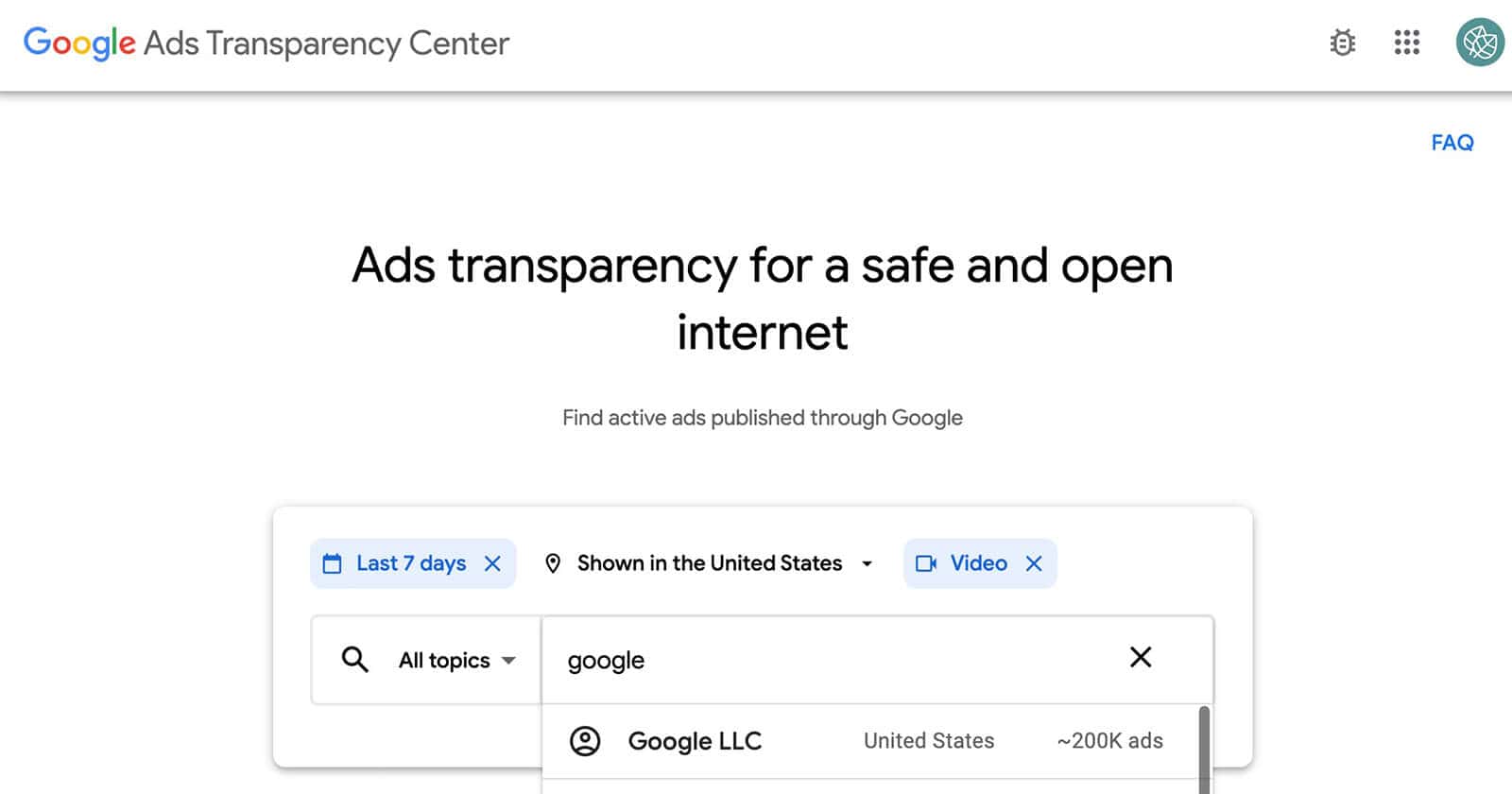
Tools like the Google Ads Transparency Center (also called the Google Ad Library) let you search for a business and see its ads. You can check their ad designs, the countries they target, and even the topics they focus on.
Another tool is Google Ads Auction Insights, which shows you how competitors perform on Google Ads. It tells you:
- How often their ads appear (impression share)
- Their ranking compared to yours (average position)
- If their ads show above yours (position above rate)
2. Explore competitive research tools
Websites like SEMrush, Ahrefs, and Similarweb are great for finding out where your competitors advertise online. These tools can tell you what keywords they target, their most popular content, and the websites they use to run ads.
3. Look at social media
Check social media platforms like Facebook, Instagram, and Twitter to see if your competitors run ads there. Visit their profiles and see the kind of posts or promotions they share.
Ask your customers if they’ve seen ads from your competitors. This can give you ideas about where your competitors are spending money to reach people.
5. Visit competitors’ website
Go to your competitors’ websites and look for clues like banners, landing pages, affiliate links, or promotions. Sometimes, they might even mention partnerships or platforms they use.
By using these steps, you can get a clear idea of where your competitors are advertising and start planning your own strategies to stand out.
6 Tools to Track Competitors’ Display Ads
If you want to track your competitors’ display ads, there are many tools available to make the process easy and effective. These tools help you see where your competitors are advertising, what their ads look like, and how well they are performing.
Below are some popular tools that can help:
1. PowerAdSpy
| Pricing | Features | Limitations |
|
|
|
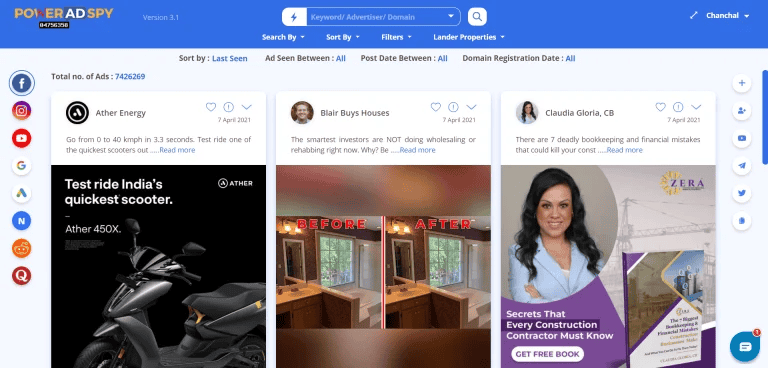
PowerAdSpy is a tool that focuses on social media ads. It allows you to search for competitors’ ads based on keywords, platforms, or industries. For example, if your competitor is running ads on Facebook or Instagram, you can find details like the ad copy, design, and engagement metrics.
2. SEMrush
| Plans and Pricing | Features | Limitations |
|
|
|
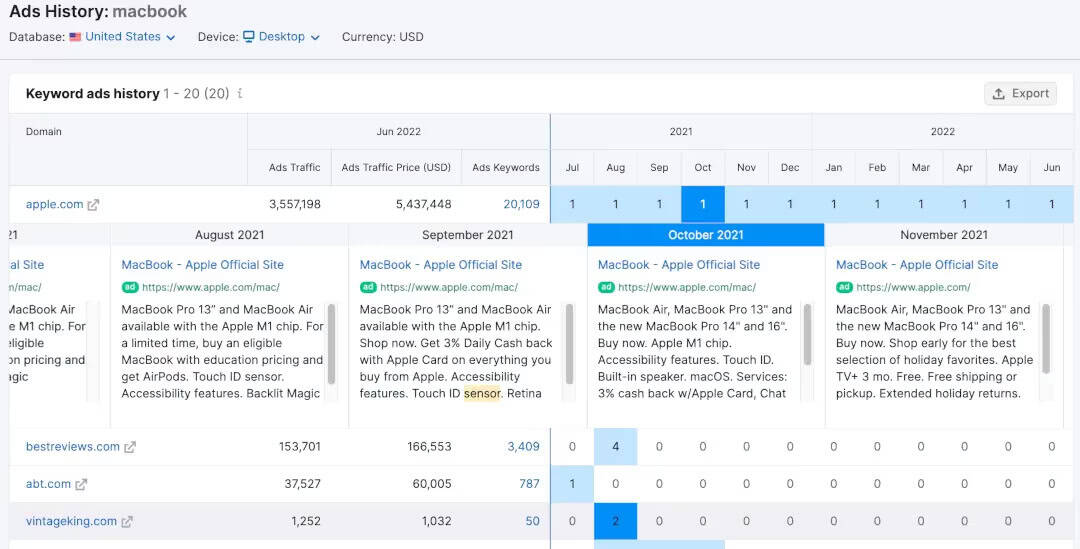
SEMrush is a powerful digital marketing tool that tracks everything from SEO to display ads. It shows you the ad placements, audience targeting, and performance of your competitors’ campaigns. For example, you can use SEMrush to discover which websites are displaying their ads and how much traffic they are generating.
3. Adbeat
| Plans and Pricing | Features | Limitations |
|
|
|
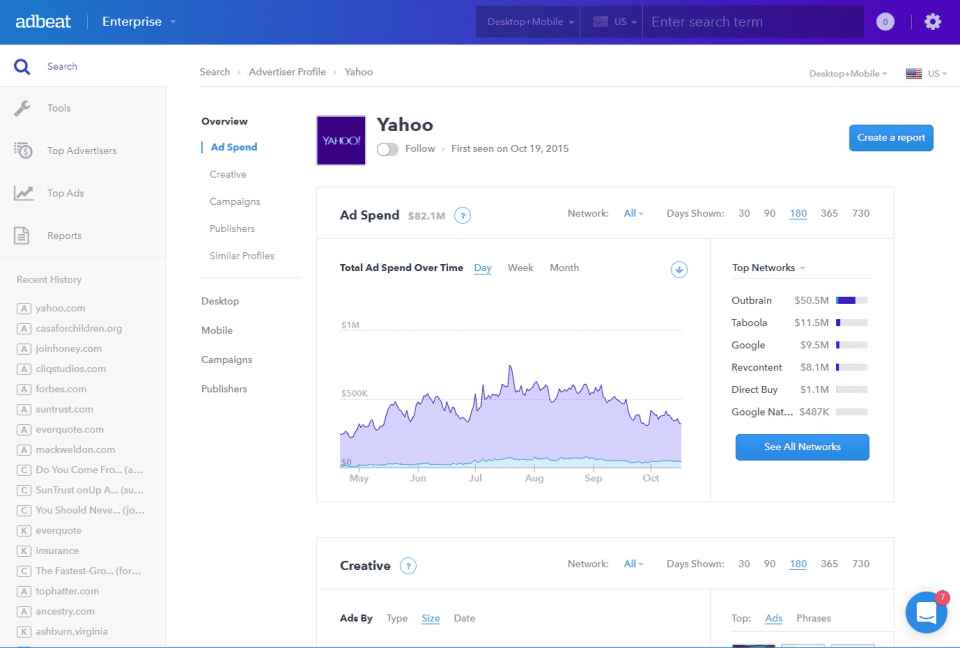
Adbeat is a great tool for analyzing display ads across various platforms. It provides insights into your competitors’ advertising strategies, including their ad creatives, placements, and spending habits. For instance, you can see how much your competitor spends on display ads and which types of ads perform best for them.
4. iSpionage
| Plans and Pricing | Features | Limitations |
|
|
|
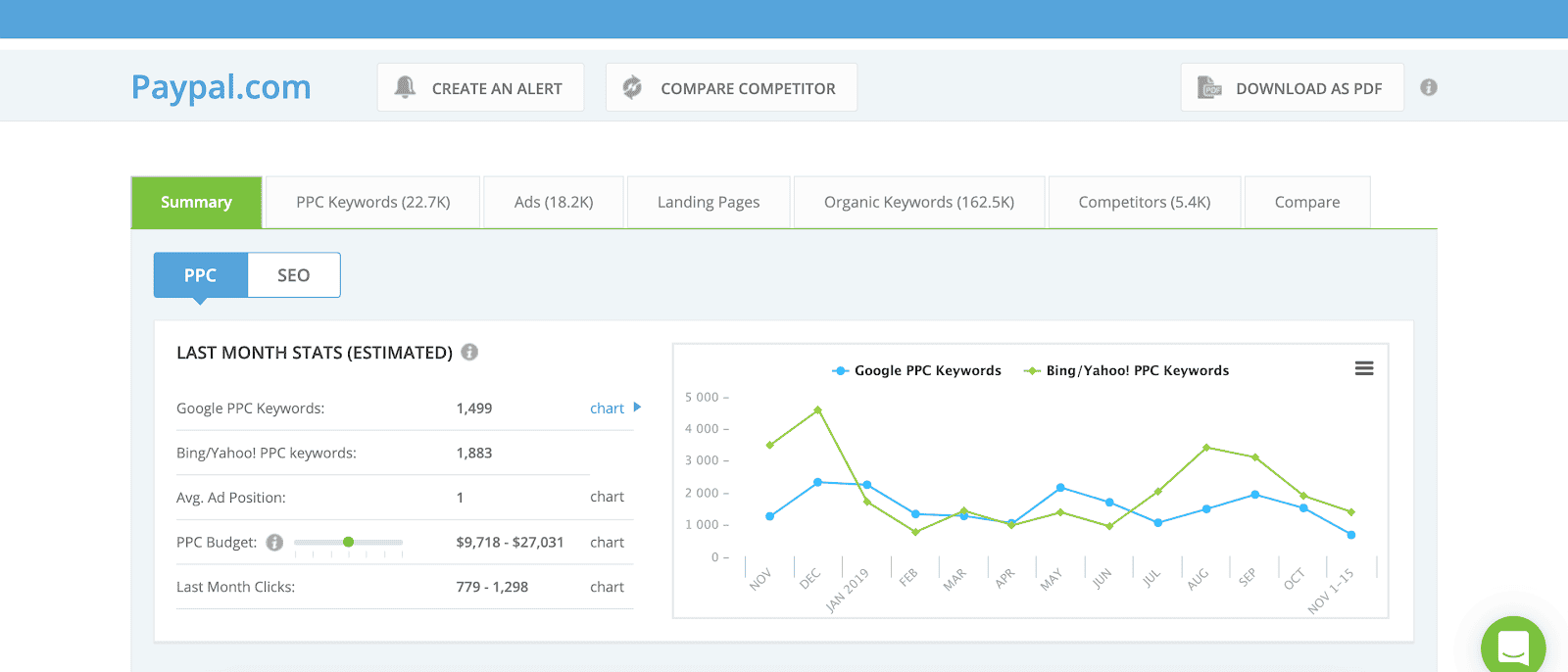
iSpionage is designed for tracking PPC (Pay-Per-Click) campaigns and display ads. It shows your competitors’ top-performing keywords, ad copy, and landing pages. For example, if a competitor has a strong ad targeting a specific keyword, iSpionage will help you analyze it to create a better strategy.
5. SpyFu
| Plans and Pricing | Features | Limitations |
|
|
|
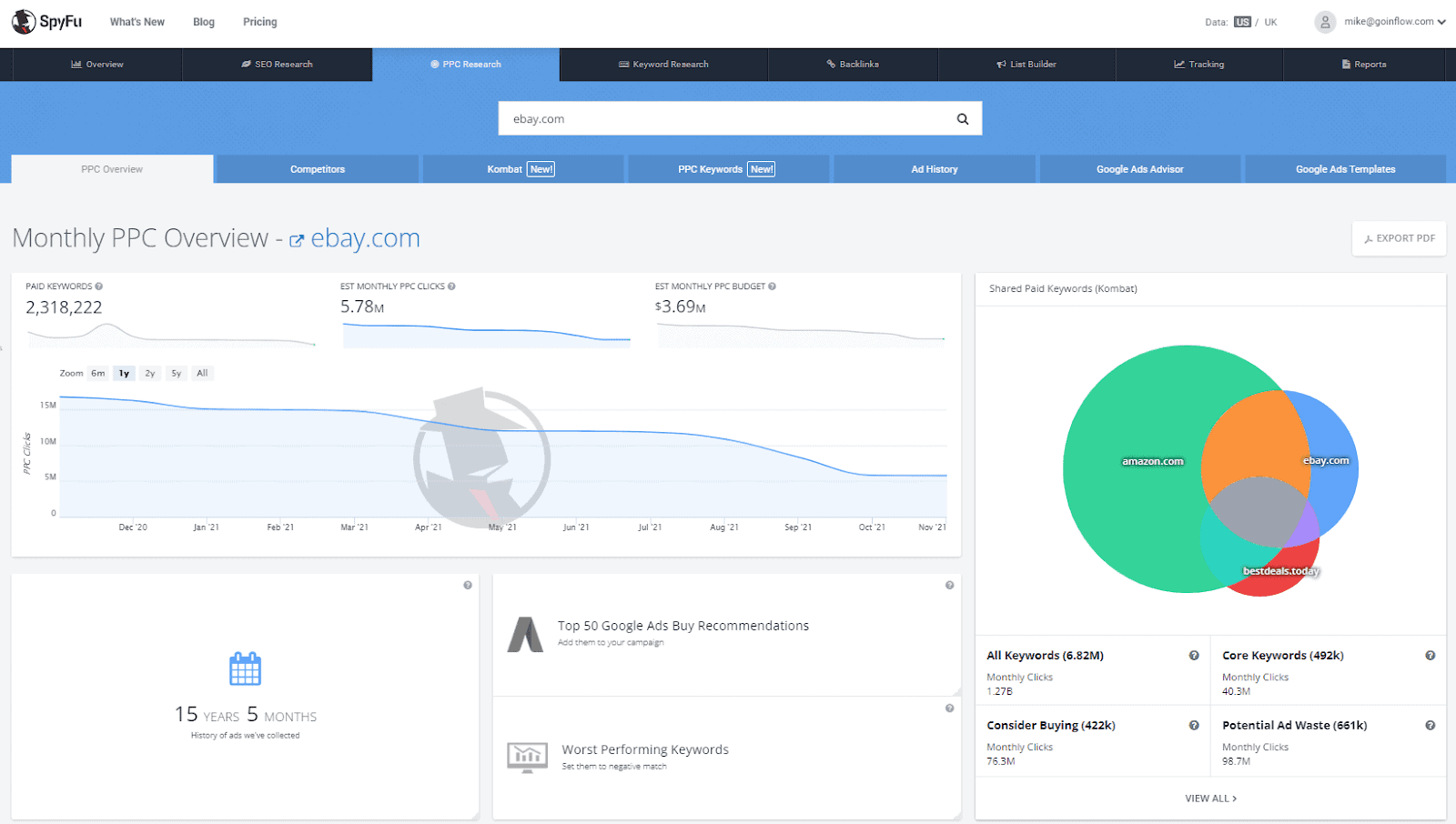
SpyFu is another easy-to-use tool for tracking ads. It helps you see which ads your competitors are running and which ones have been successful over time. For example, SpyFu can show you how long a competitor has been using an ad, indicating its success.
6. Foreplay
| Plans and Pricing | Features | Limitations |
|
|
|
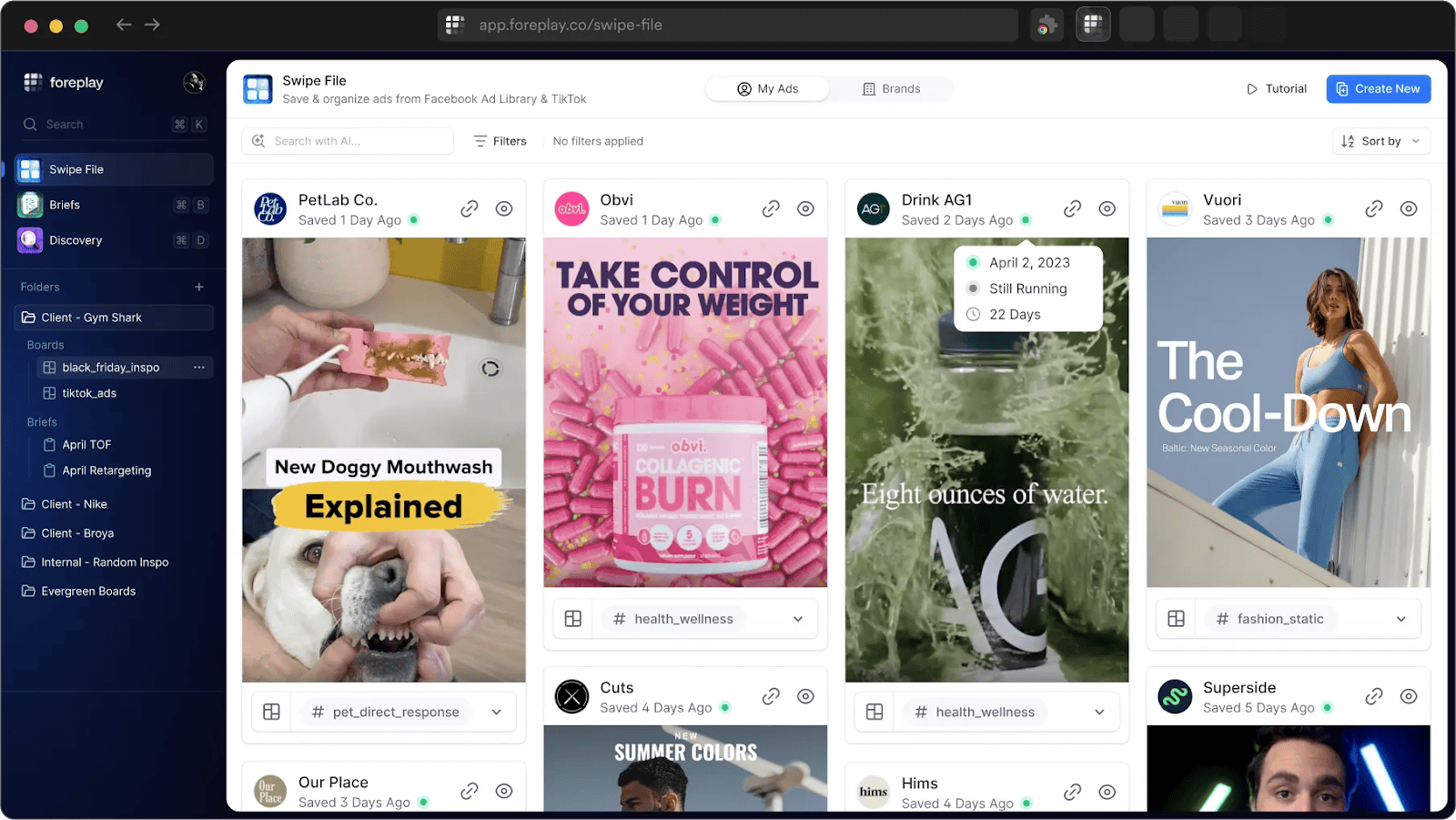
It is known as Moat (an Ad Search platform) alternative, over 3,000 brands use Foreplay to track competitors’ ads and analyze strategies across platforms like Facebook, YouTube, and TikTok. Unlike Moat, it supports video ads, making it perfect for today’s video-focused marketing.
7. MagicBrief
| Pricing | Features | Limitations |
| Pro: Custom Pricing
Creative Intelligence: Custom Pricing |
|
|
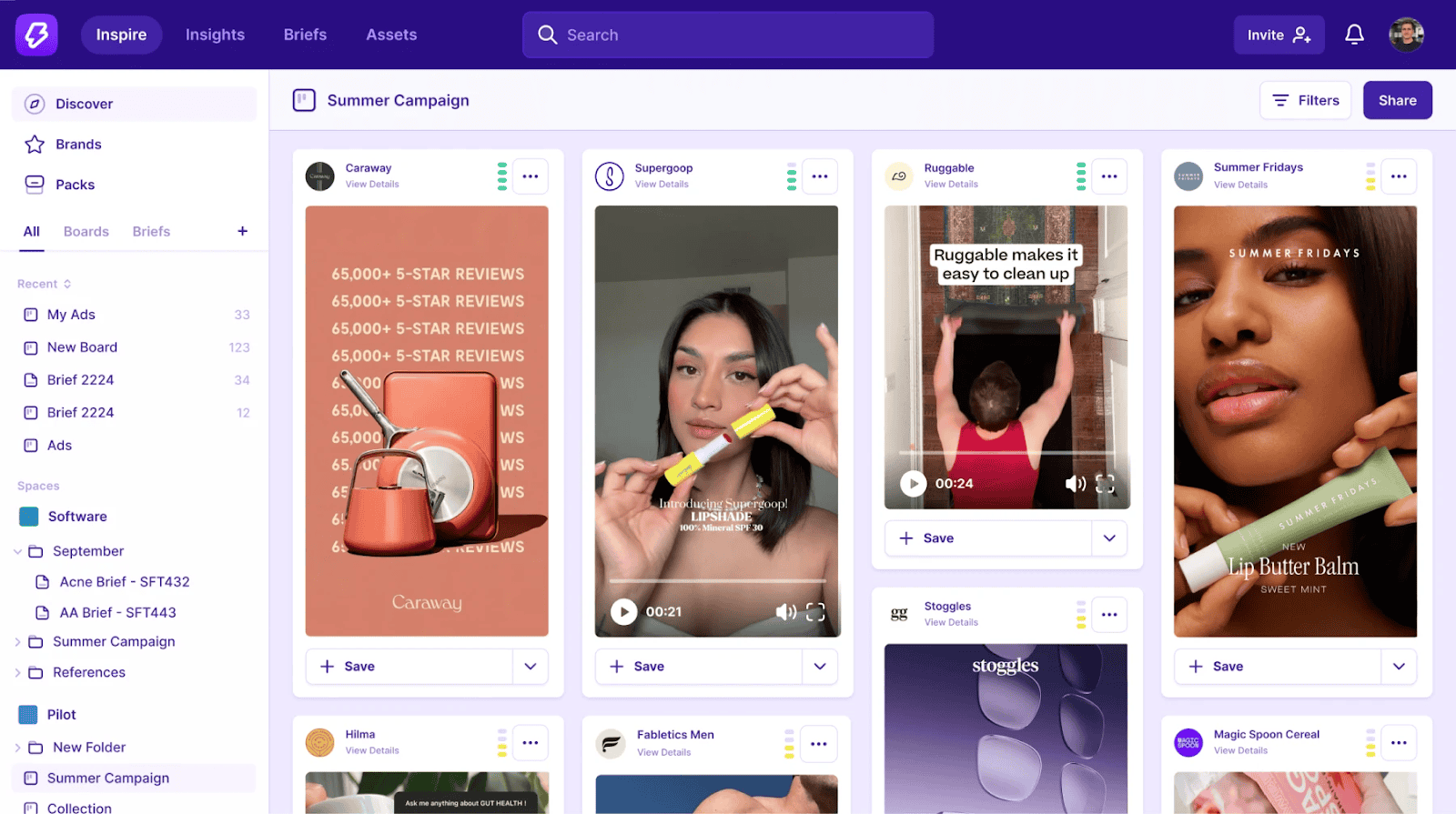
MagicBrief is a tool designed to help digital marketers and ad creators streamline the process of creating, organizing, and executing ad campaigns. It serves as a collaborative platform for brainstorming and crafting ad strategies, allowing users to: Organize Ad Concepts, Access Ad Libraries, Collaborate in Teams, and Optimize Creative Workflow.
8. Google Ad Transparency
| Pricing | Features | Limitations |
| Free |
|
|
Google Ad Transparency helps users see the ads a company is running and provides details about the advertiser. It’s designed to promote transparency and accountability in digital advertising. You can search for ads by advertiser name.
9. Facebook Ad Library
| Price | Features | Limitations |
| Free |
|
|
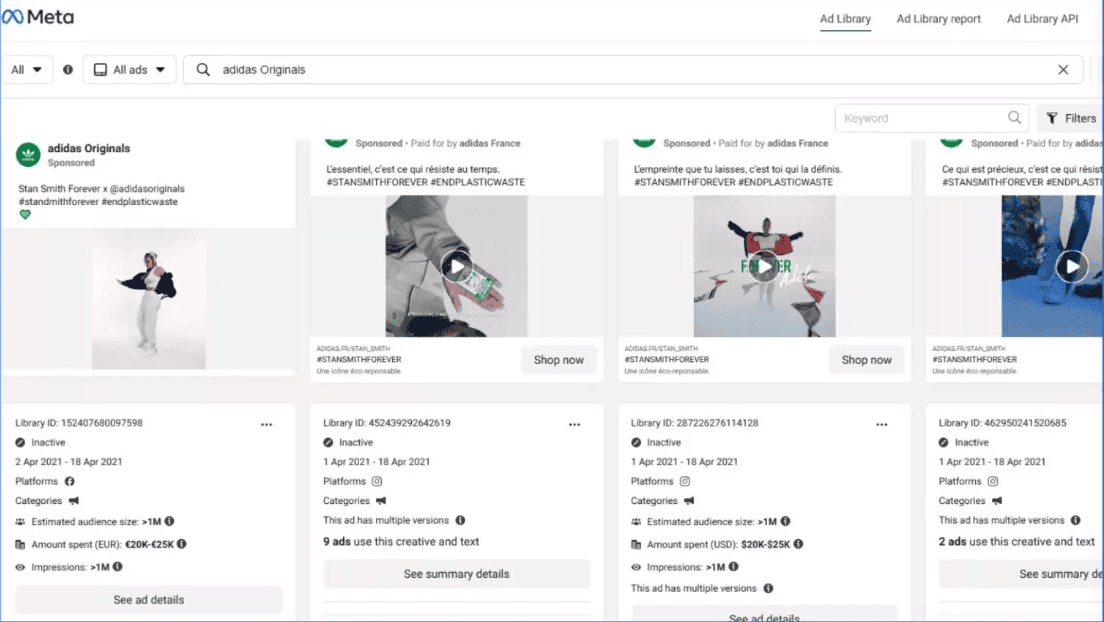
Facebook Ad Library is a free tool that shows all active ads on Facebook and Instagram. It provides information about competitors’ ad campaigns, including their content and target audience. It helps track competitors and ensure ad transparency.
These tools can help you stay ahead of your competition by providing valuable insights into their ad strategies. Using them, you can build better campaigns and improve your advertising efforts.
How to Analyze Competitor Display Ads and Improve Yours?
When it comes to tracking your competitors’ display ads, understanding the details is key to improving your own advertising. By analyzing their strategies, you can learn what works for them and how to make your ads stand out. Here are some simple and practical things to look for:
1. Ad design
Take a close look at how your competitors’ ads look. Are they using bright, eye-catching colors or clean and simple designs?
Notice the pictures, words, and videos they use. For example, if they use a lot of bold text or happy faces, it could mean they’re trying to grab attention quickly. Think about what catches your eye and what might catch your audience’s too.
2. Target audience
Ask yourself: Who are these ads meant for? Are they talking to teenagers, families, or business professionals? For example, an ad showing a backpack with fun colors might target students, while an ad showing a sleek briefcase could be for professionals. Knowing their target audience can help you figure out who you want to reach with your own ads.
3. Where the ads appear
Pay attention to where you see your competitors’ ads. Are they on social media platforms like Instagram or TikTok? Or maybe on popular news websites and apps? For example, if their ads are all over YouTube, it might mean their audience spends a lot of time watching videos online.
4. Timing and frequency
Notice when and how often their ads appear. For instance, if you keep seeing their ads in the evening, it might mean they think that’s the best time to reach their audience. Are the ads showing up during specific events or holidays? This could give you clues about the best times to run your own ads.
5. What gets attention
Think about what’s making people click or respond to their ads. Are they using big headlines, surprising facts, or funny jokes? For example, an ad might say, “Did you know 8 out of 10 people love this product?” If people are engaging with these ads—liking, sharing, or commenting—it’s a sign that their approach is working.
6. Call-to-action (CTA)
As of 2023, Sixth City Marketing strongly suggests adding CTAs to your blog posts. HubSpot found they boosted conversions by 121% compared to banner ads, which were once more popular. Look at what action they’re asking people to take. Do their ads say, “Buy Now,” “Learn More,” or “Sign Up Today”? A strong and clear CTA can make a big difference. For example, if their ad says, “Hurry! Sale Ends Tonight,” it might make people act quickly.
7. Themes and messages
What is the main idea of their ads? Are they focusing on solving a problem, like saving time or money? For instance, a food delivery service might use ads that say, “No time to cook? We’ve got you covered!” Understanding these messages can help you craft your own powerful ideas.
8. Visuals and music
Pay attention to the visuals and sounds in their ads. Are they using fun animations, happy music, or dramatic visuals? For example, an ad with upbeat music and people laughing can create a cheerful vibe. Notice if their visuals and music match their message—this can make their ads more memorable.
9. Landing pages
When you click on their ad, where does it take you? Look at their landing pages. Are they easy to use and full of helpful information? For instance, if the ad promotes a “free trial,” the landing page should clearly explain how to sign up. Make sure your landing pages are just as good, if not better.
Best Practices for Tracking Competitor Ads Without Violating Privacy
When tracking your competitors’ ads, it’s important to respect privacy and follow ethical practices. Here are some simple tips to do it the right way:
1. Look at public information
Focus on ads you can see online, like on social media, websites, or in public ad libraries. For example, platforms like Meta Ad Library and Google Ads Transparency Center let you view ads without breaking any rules.
2. Use ethical tools
Use tools designed for ad tracking. These tools help you learn about competitors’ ads, like the keywords they use or where their ads lead, without collecting private data.
3. Pay attention to audience details
Look at the general characteristics of their target audience, such as age, interests, or location. For instance, if their ads often feature young people, they might be focusing on a younger audience.
4. Respect user consent
Always stick to information that is openly shared. Don’t collect private data without permission. For example, avoid using third-party cookies and rely on customer data that is shared with clear consent.
5. Stay honest and transparent
If you’re gathering data for your own campaigns, be upfront with your audience. Let them know what data you collect and how you use it. This helps build trust and keeps you within legal limits.
6. Learn, don’t copy
Analyze your competitors’ strategies to understand what works and what doesn’t, but don’t directly copy their ideas. Use their strengths to inspire your own unique approach.
By following these steps, you can learn from your competitors while staying ethical and respecting privacy. Think of it as friendly competition—learn from them, but play fair!
Wrapping Up
Tracking and analyzing your competitors’ display ads can help you create better ads and improve your marketing strategy. By looking at where they advertise, how their ads are designed, and what kind of messages they use, you can learn a lot about what works and what doesn’t. It helps you stay updated on market trends, spot opportunities, and avoid mistakes that others have made.
But it’s important to do this ethically. Always use public information and ethical tools. Make sure you respect your audience’s privacy and stay transparent in your approach. Remember, you’re not trying to copy your competitors but learn from them to create your own unique and effective ad strategy.
By following these steps and using the insights you gather, you can make your ads more successful and connect better with your audience.
FAQs
Competitors analyzing vs. tracking competitors’ display ads: What’s the difference?
Analyzing means studying your competitors’ ads to learn what works for them. Tracking means keeping an eye on where and when their ads appear. Both help you improve your own ads.
How do I track my competitors’ ad spend?
You can use tools like SEMrush or Adbeat to see how much your competitors are spending on ads. These tools give you an estimate of their ad budget.
How to track competitor Google ads?
You can use tools like SEMrush or SpyFu to track competitor Google Ads. These tools show which keywords they’re bidding on and their ad copies.
How to spy on competitors’ ads?
To spy on competitors’ ads, use tools like PowerAdSpy or the Facebook Ad Library. These tools let you see what ads they are running and how they are targeting customers.